
Parnosh Emblem
The Craft — Parnosh The Craft — Parnosh The Craft — Parnosh

Four Arts · One Legacy

The Eternal Craft

Every Parnosh shawl is born from months of artisanal devotion. Threads combed from the Himalayan pashmina goat, spun by hand, woven on looms unchanged for centuries.

Scroll

Born from
Persian Opulence
& Kashmiri Mastery

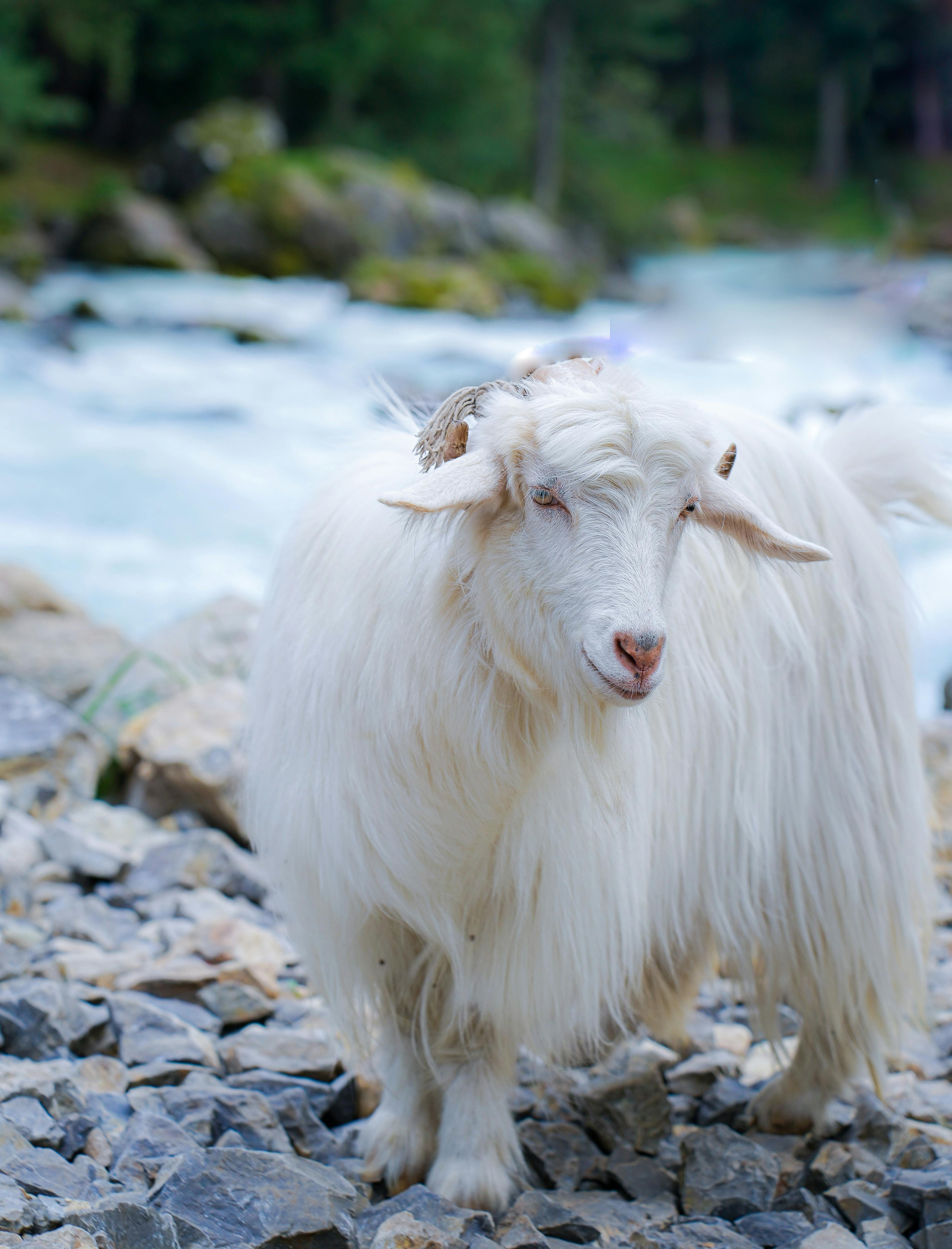
Every Parnosh shawl begins its life in the high altitudes of the Himalayas, where the changthangi goat yields fibres finer than 15 microns — the rarest textile in the world.

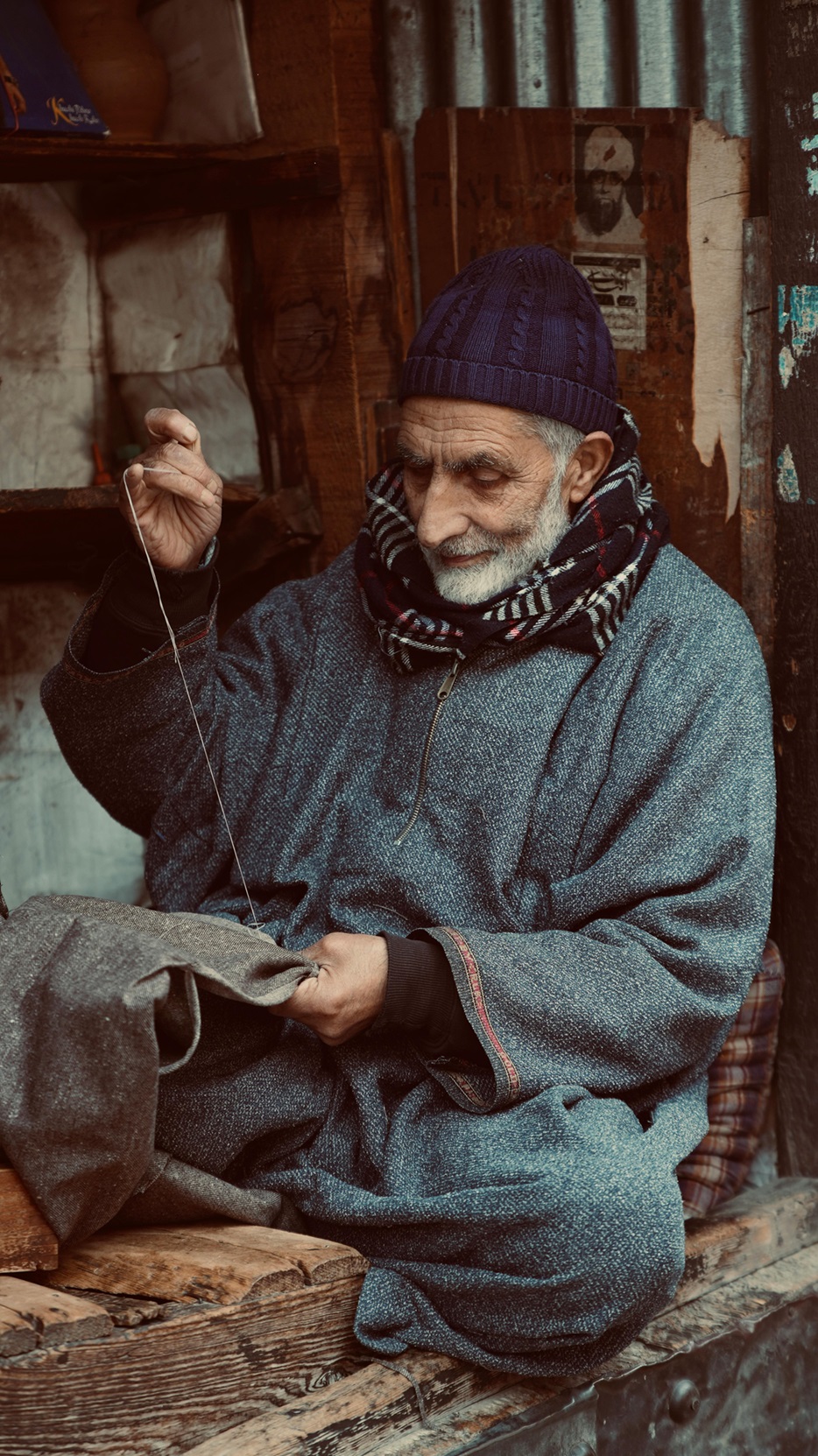
From hand-combing to hand-spinning, from loom to needle, each piece demands months of unbroken devotion. No machinery. No shortcuts. Only the unhurried hands of masters.

This is not manufacture. This is inheritance.

0μm
Fibre Fineness
0
Per Piece
0
Ancient Arts
0
Years of Legacy
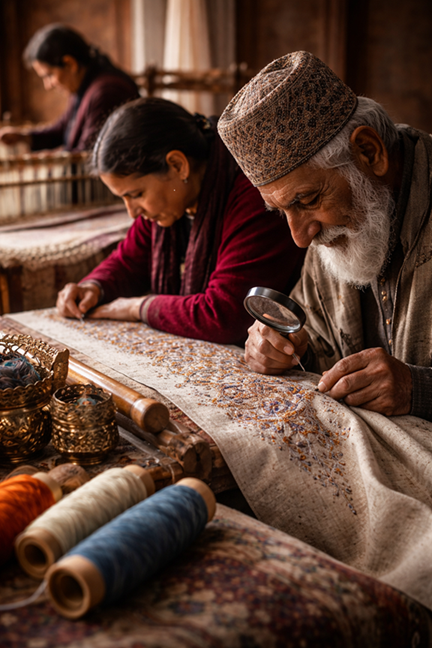
Artisan hands weaving pashmina
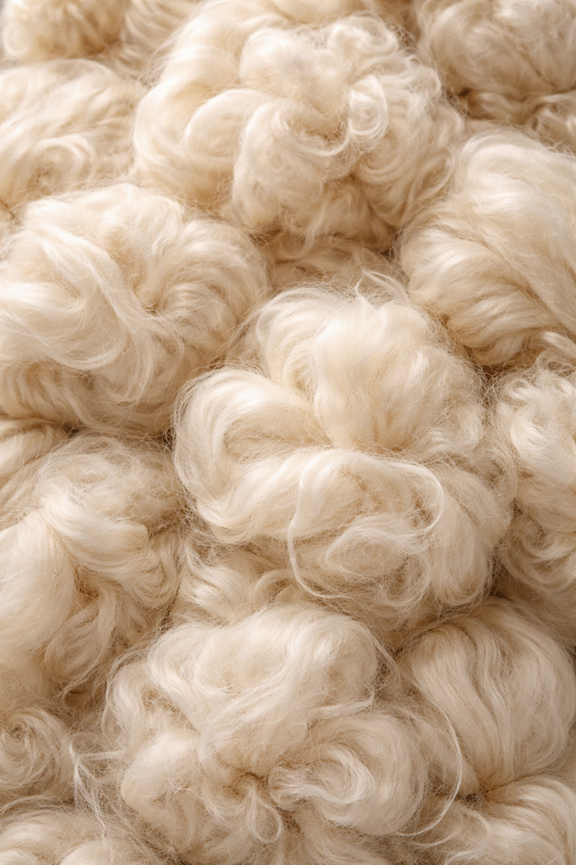
Pashm fibre
Hand Combed
Hand Spun
Handwoven

Four Arts,
One Legacy

From the intricate warp-and-weft of Kani to the silk-thread whispers of Sozni — each art is a discipline unto itself, honed over centuries and passed hand to hand.

01

The Architecture of Thread

Kani Weaving

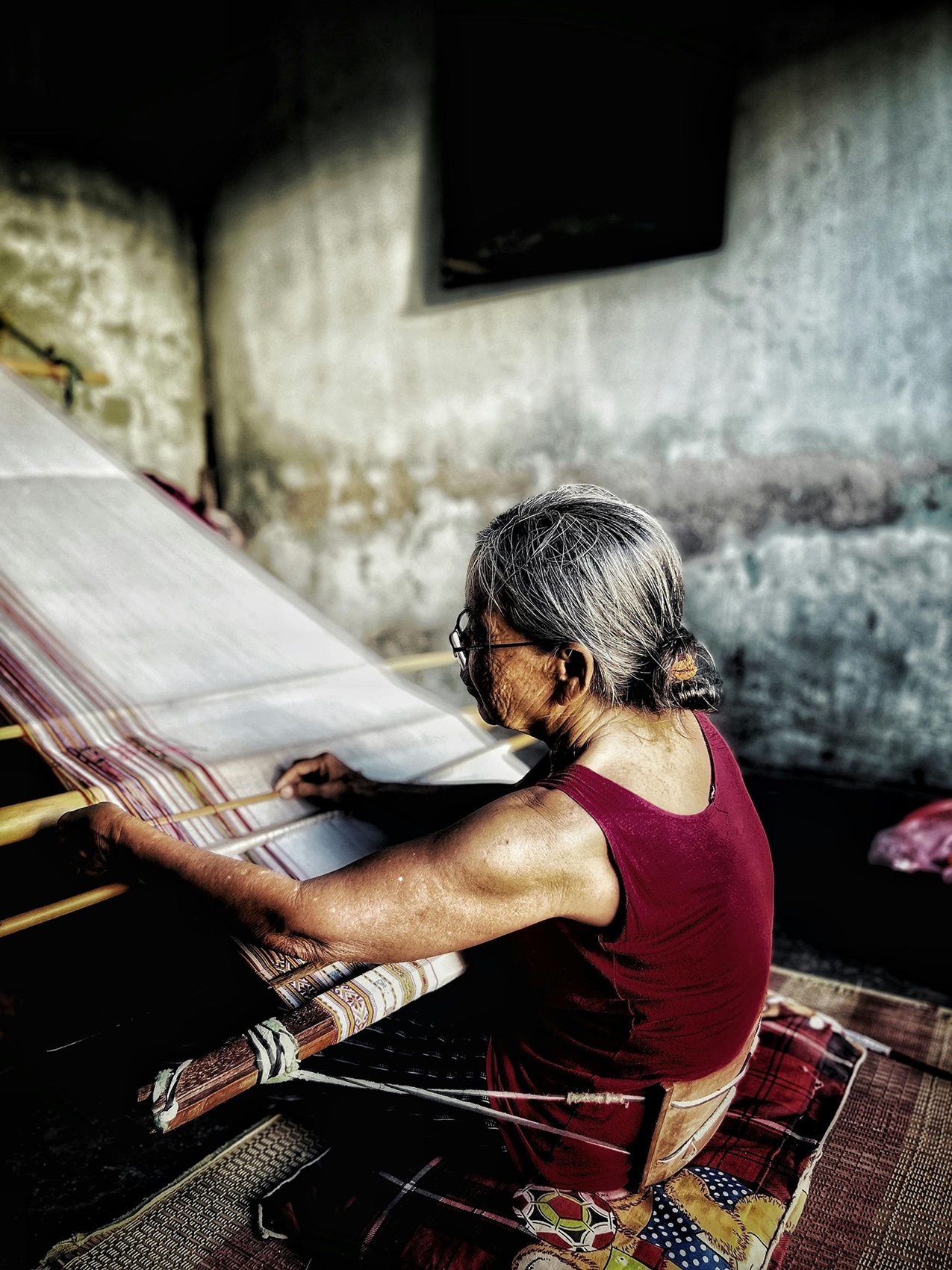
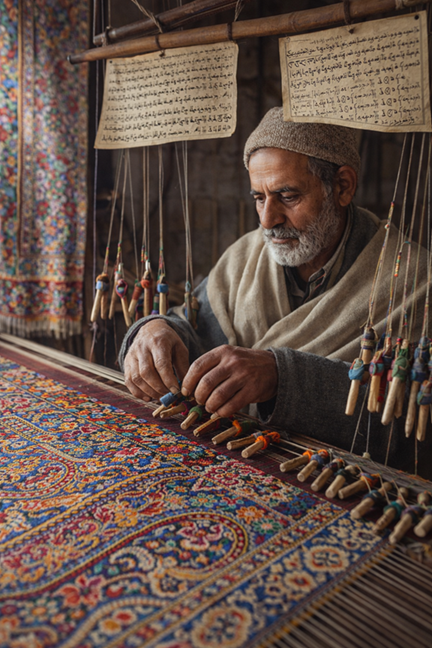
Named after the small wooden spools — kanis — used in place of a shuttle, Kani weaving is one of the most complex textile traditions in the world. The pattern is encoded in a script called talim, passed between master weavers like an ancient language.

Each shawl can require months or even years. Every geometric motif is built, not painted — woven directly into the warp and weft with the precision of an architect laying stone.

Months of uninterrupted mastery per piece
Kani Weaving — intricate warp and weft
Kani Weave
02

Mirror Embroidery

Sozni Weaving

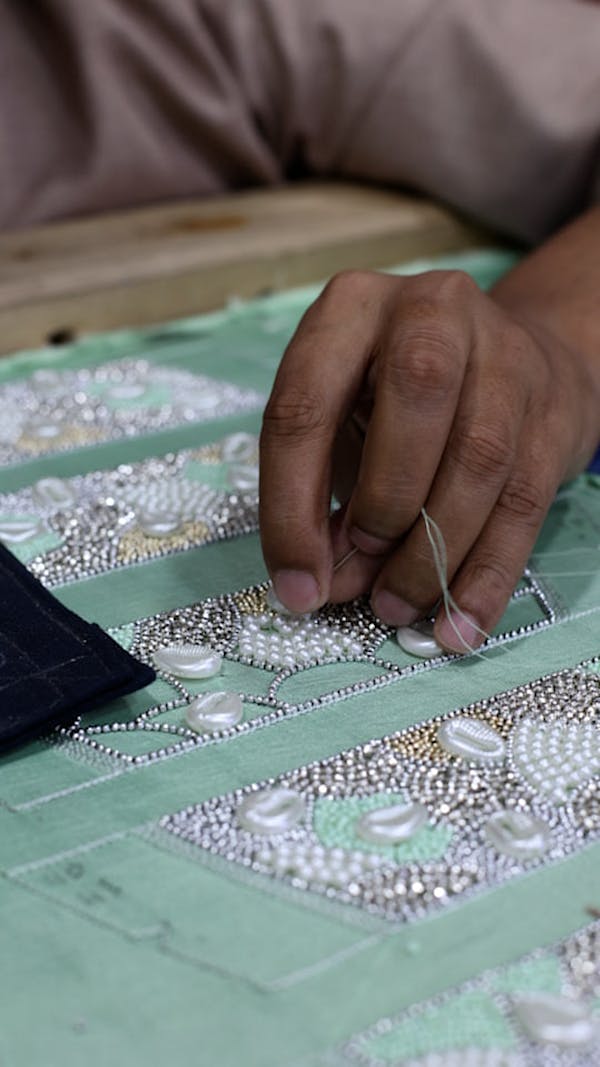
Sozni is the art of the needle — delicate silk thread embroidery worked with such precision that the reverse of the shawl is a perfect mirror of the front. No knots. No loose ends. Just unbroken continuity of stitch.

The motifs — petals, vines, the beloved buta — are not transferred by template. They live in the memory of the artisan, inherited through years of apprenticeship beside the master.

Identical on both sides — a feat of pure memory
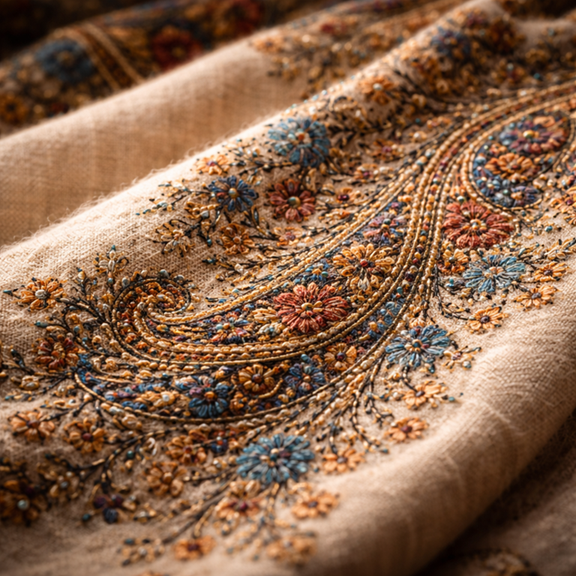
Sozni Embroidery — silk needle work
Sozni Embroidery
03

Painted Heritage

Kalamkari Weaving

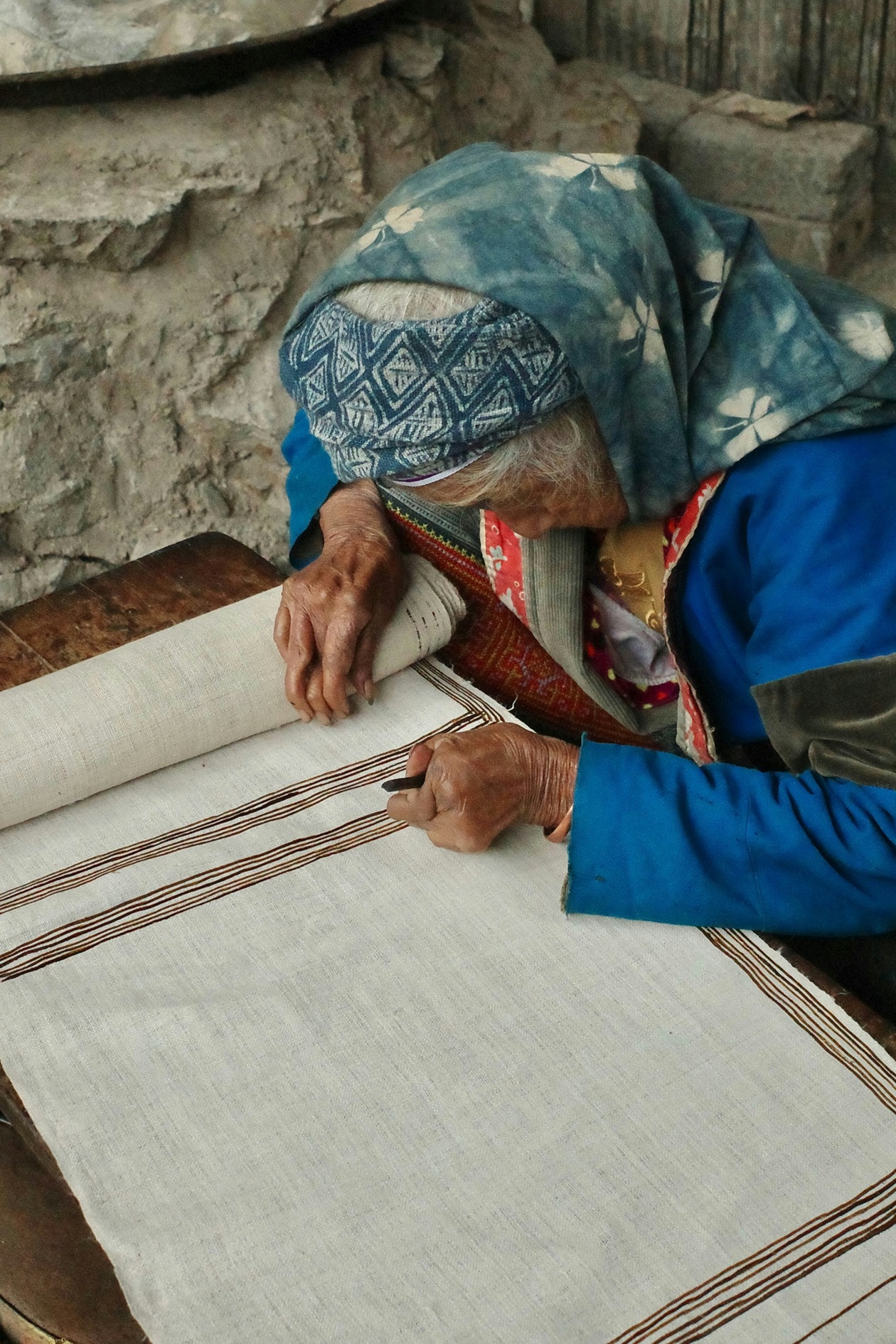
Kalamkari — "kalam" meaning pen, "kari" meaning craft — is the ancient tradition of hand-rendering narrative motifs onto cloth using natural dyes derived from roots, bark, and minerals.

On a Parnosh shawl, Kalamkari becomes a form of storytelling. Each stroke carries the weight of legend — Mughal court scenes, Persian arabesques, mythological vines — rendered in the artisan's own hand.

Storytelling in natural dye — no two pieces identical
Kalamkari — hand painted fabric with natural dyes
Kalamkari
04

Royal Ornament

Papier-Mâché Art

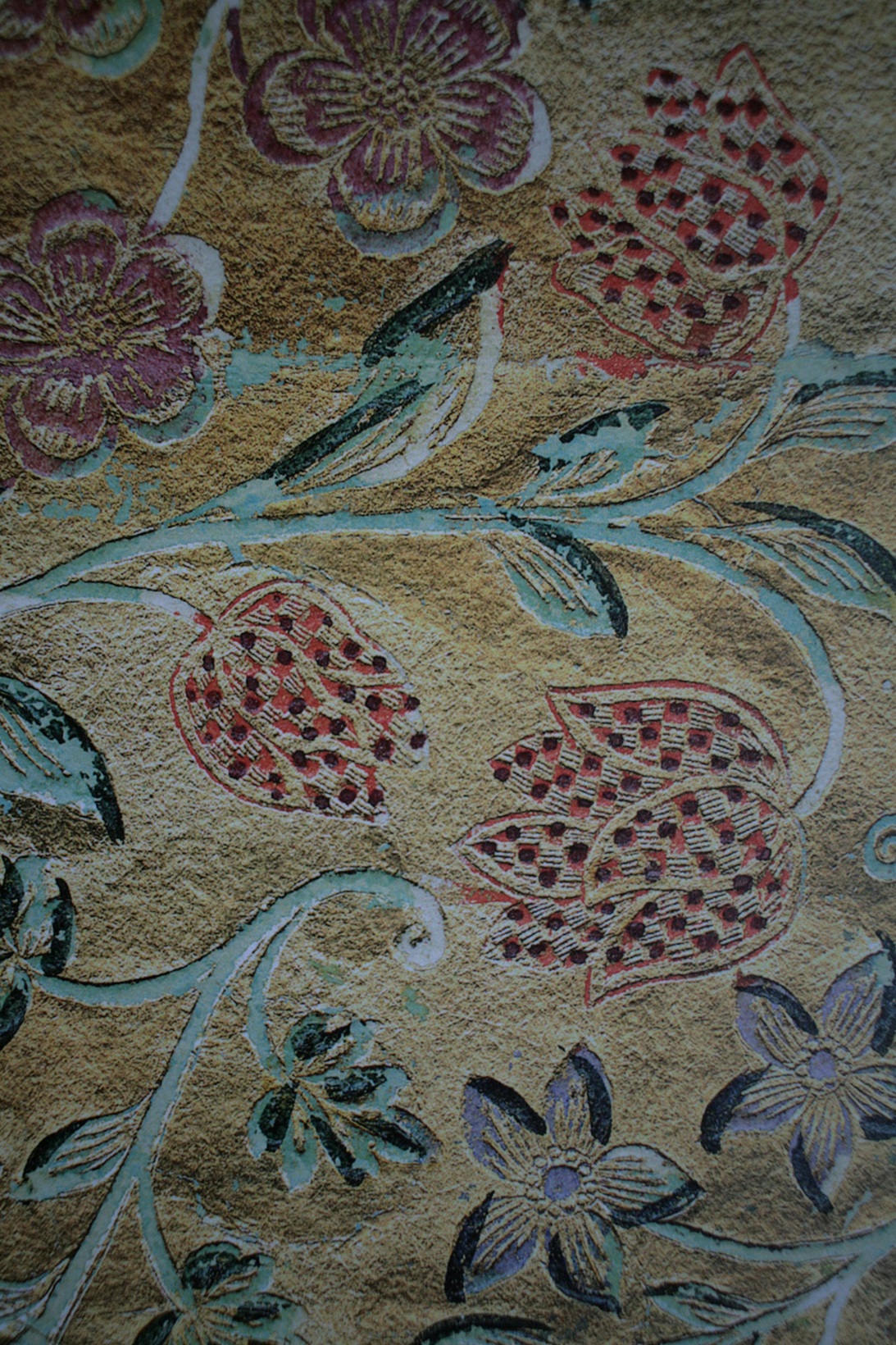
Persian floral arabesques — the intricate swirling botanical geometry of Safavid palace walls — translated into the surface of the shawl. These motifs arrived in Kashmir with 13th-century Persian craftsmen and have not left.

On a Parnosh shawl, they bloom still — a living architecture of flowers and vines, each one a whisper of court life from eight centuries past.

Persian floral arabesques, adapted into textile art
Papier-Mâché — Persian floral arabesques
Papier-Mâché
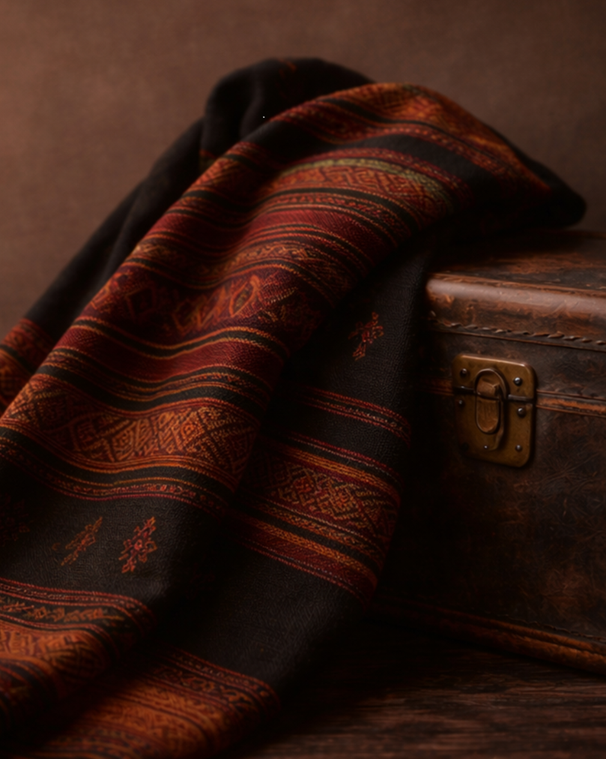
Kani Weaving — colorful woven fabric on hand loom
Kani Weaving
The Architecture
of Thread
Artisan weaving on loom with colorful threads
The Artisan
Hands That
Remember
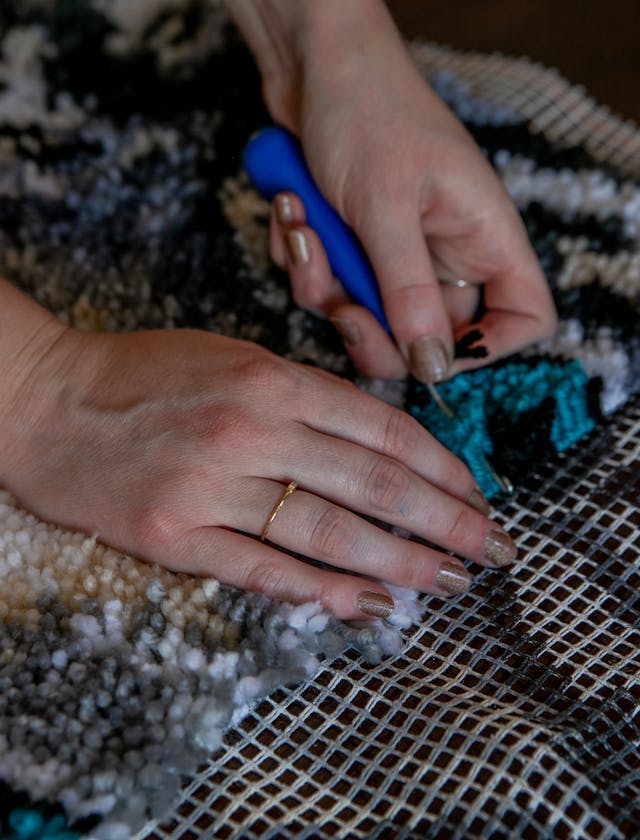
Close up hands doing intricate needlework on fabric
Sozni
Mirror of
the Needle
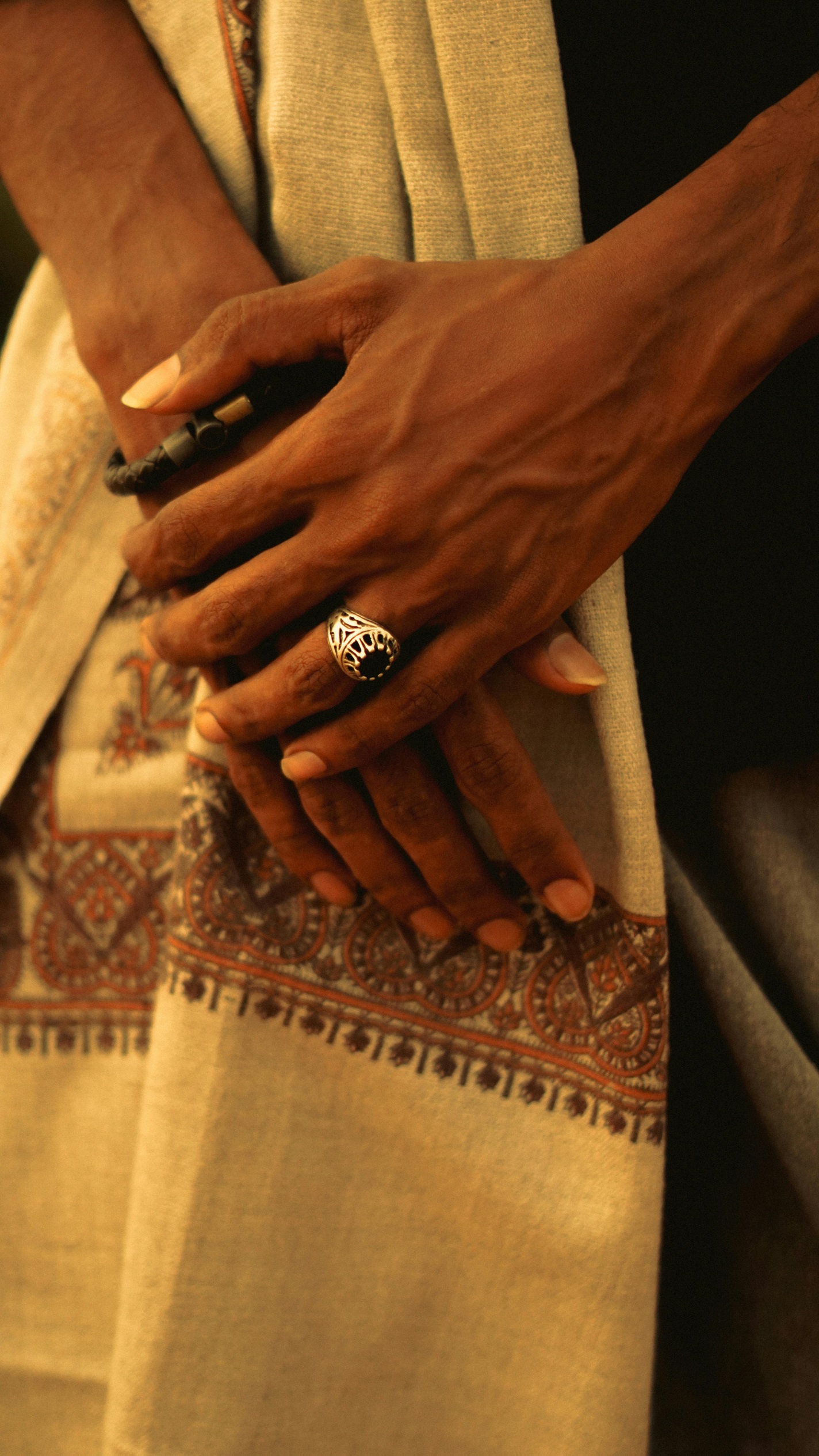
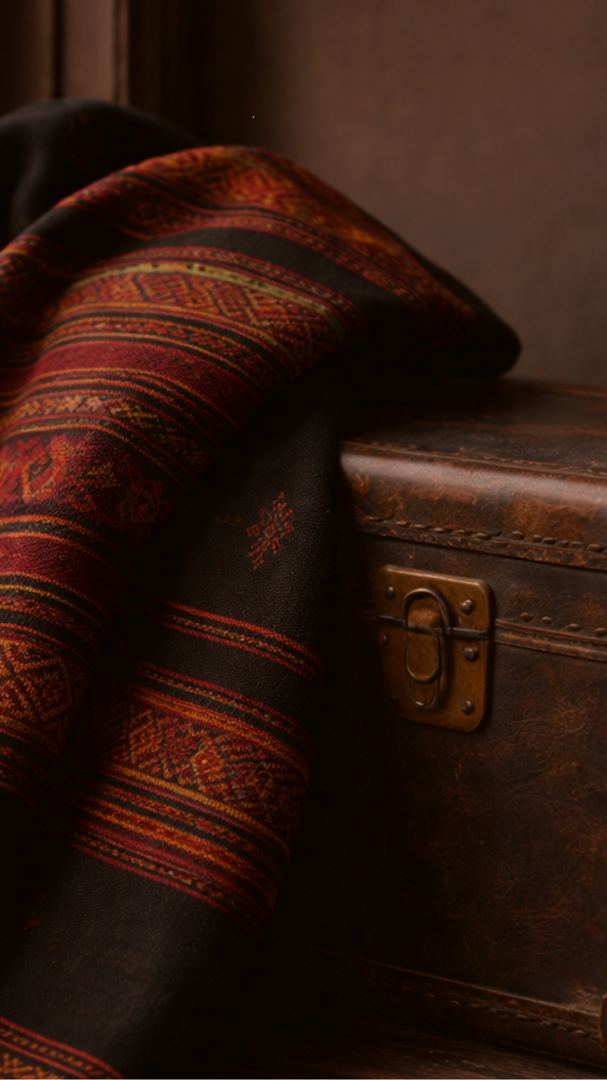
Handmade woven fabric texture close up
The Emblem
Wrapped in
Eternity
Artisan hands crafting intricate fabric textile
Papier-Mâché
Persian Bloom
in Thread
Woman spinning wool on traditional spinning wheel
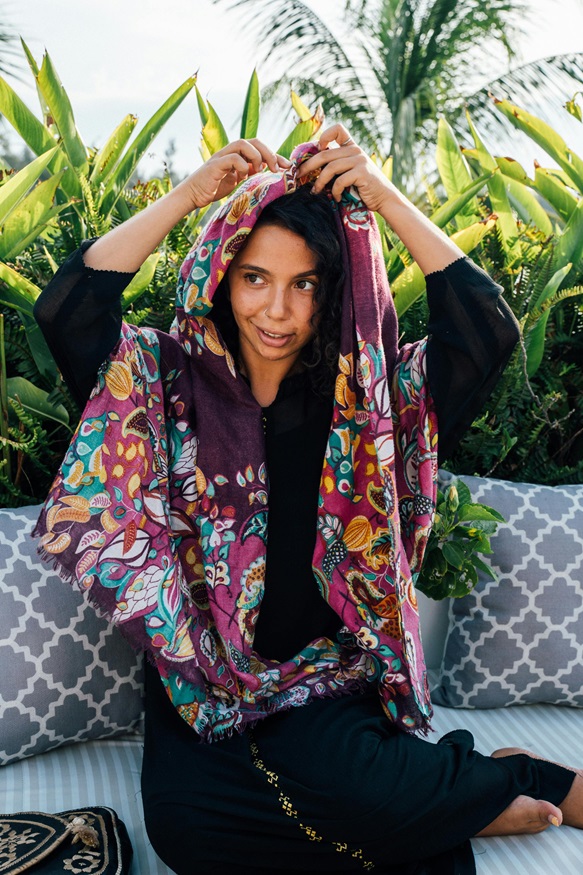
The Wearer
From Artisan
to Royalty
Kani Weaving — colorful woven fabric on hand loom
Kani Weaving
The Architecture
of Thread
Artisan weaving on loom with colorful threads
The Artisan
Hands That
Remember
Close up hands doing intricate needlework on fabric
Sozni
Mirror of
the Needle
Handmade woven fabric texture close up
The Emblem
Wrapped in
Eternity
Artisan hands crafting intricate fabric textile
Papier-Mâché
Persian Bloom
in Thread
Woman spinning wool on traditional spinning wheel
The Wearer
From Artisan
to Royalty

From Himalayan
Meadow to Heirloom

Close-up of a Pashmina goat on Himalayan rocks

Pashm Harvest

Each spring, artisans comb — never shear — the finest fibres by hand at altitude above 14,000 feet from the changthangi goat.

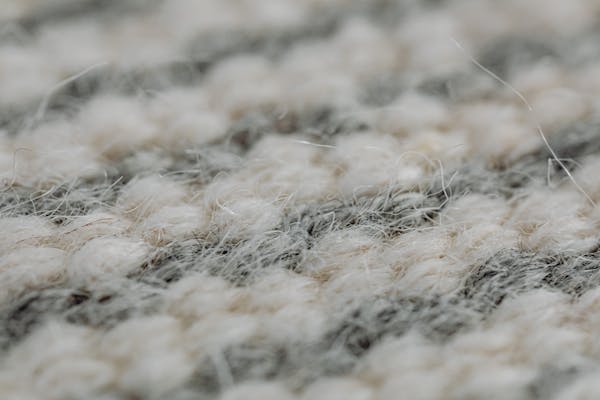
Close-up of raw white wool fibre texture being cleaned

Hand Cleaning

Raw pashm is cleaned of guard hair in cold water — no chemicals. Only fibres of 15 microns or finer proceed to spinning.

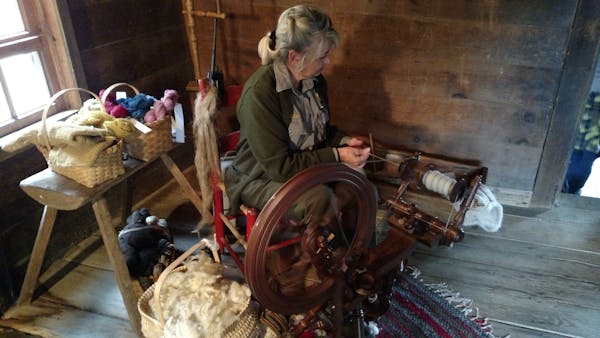
Village woman spinning wool thread on a traditional spinning wheel

Hand Spinning

On a simple wooden charkha, village women spin pashm into thread of extraordinary fineness — a craft unchanged for eight centuries.

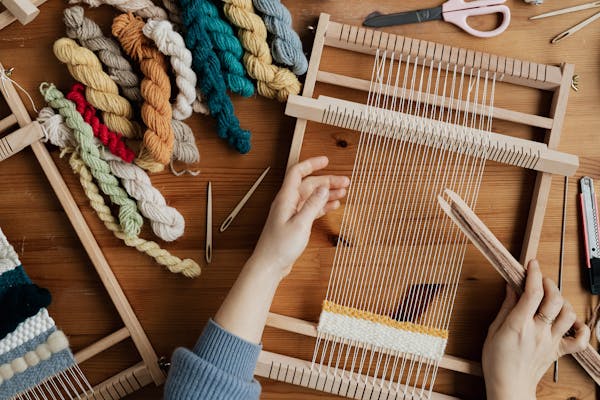
Top view of artisan hands weaving on a traditional hand loom

Loom Weaving

Master weavers set up traditional kani looms threading the warp by memory. The talim script guides every interlacement.

Artisan hand embroidering intricate designs on fabric

Embroidery & Finishing

For Sozni pieces, hundreds of hours of silk needlework complete the design — identical front and back, by memory alone.

The Raw Material
Pure pashmina fibre — close-up of colorful handcrafted woven textile texture

The World's
Finest Fibre

At 15 microns or less, pashmina is the finest natural fibre in the world — three times finer than the finest cashmere. It cannot be replicated by machine. It cannot be rushed.

I.
Origin

The Changthang Plateau of Ladakh, India — at altitudes above 14,000 feet where no other fibre can survive.

II.
Fineness

Parnosh sources only fibres measuring 15 microns or below — verified by laboratory certificate with every commission.

III.
Purity

No blends. No additives. 100% pure pashmina from combing to completion — the only standard worthy of the name Parnosh.

IV.
Provenance

Every Parnosh piece carries its heritage — the origin of its fibre, the name of its master weaver, and the tradition of its art form.

Parnosh Emblem

Not worn.
Inherited.

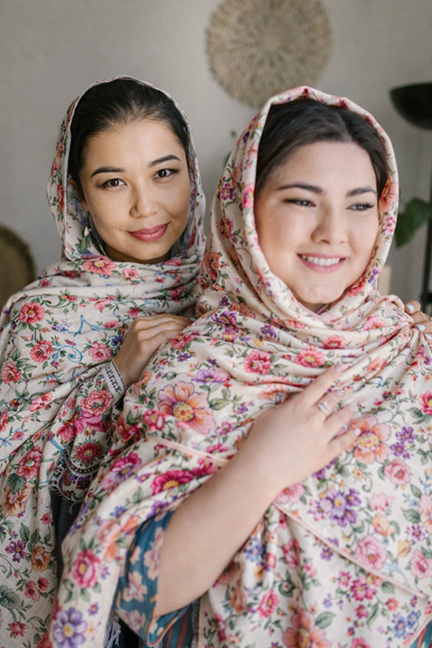
A Parnosh shawl is a masterpiece of craft, not just a garment. Threaded with centuries of artistry, it becomes something more than cloth — it becomes your legacy.