
Parnosh Emblem
Parnosh heritage — pashmina artistry

A Royal Journey

Generations of
Artistry Threaded

From the 13th-century valleys of Kashmir to the courts of Mughal emperors and the palaces of European nobility — seven centuries of pashmina artistry, preserved and restored by Parnosh.

"Born from Persian opulence and Kashmiri mastery, Parnosh transforms 100% pure pashmina into generational art."
— The Parnosh Manifesto

The Heirloom of
Royalty & Artisanal
Splendor

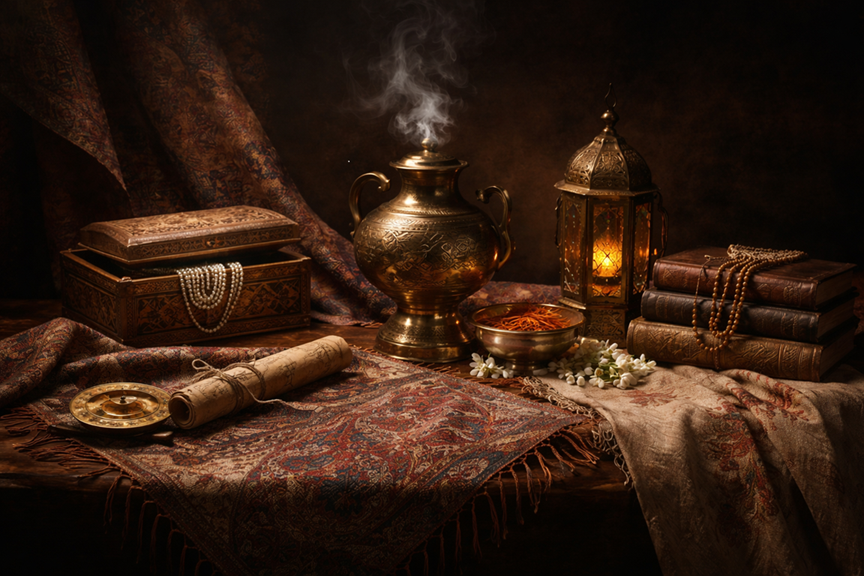
Artisans of heritage, crafting luxury from the legacy of Persian and Kashmiri royalty. Every Parnosh shawl begins with 100% pure pashmina — hand-combed, hand-spun, handwoven.

Each piece requires months of artisanal dedication. Each thread passes through generations of mastery. A Parnosh shawl is not worn; it is inherited.

700+ Years of Heritage
100% Pure Pashmina
4 Weaving Arts
Every Parnosh shawl begins with
100% pure pashmina, hand-combed,
hand-spun, handwoven.

Born from Persian opulence and Kashmiri mastery, Parnosh transforms 100% pure pashmina into generational art. Once treasured by monarchs, now crafted for those who understand legacy.

Each piece requires months of artisanal dedication.
Each thread passes through generations of mastery.

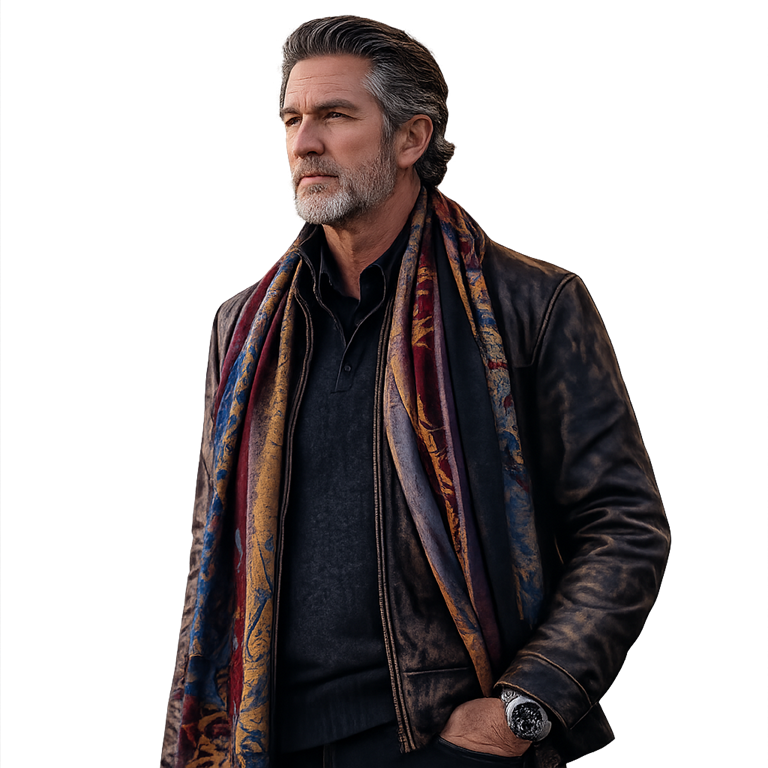
Parnosh artisan draped in pashmina — Four Arts, One Legacy
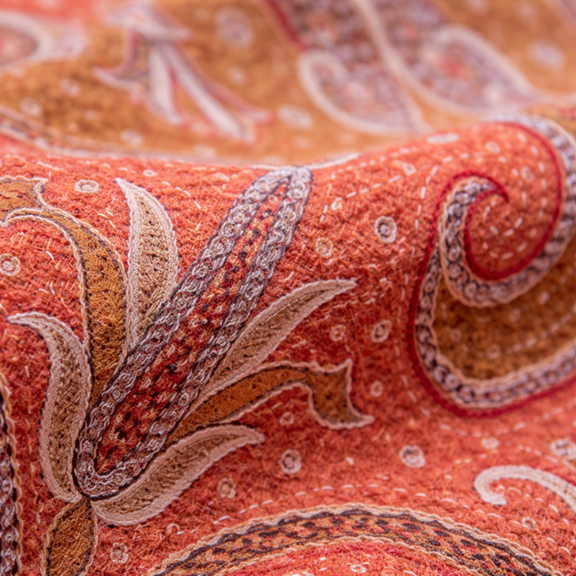
Kani Weaving
Kani Weaving The Architecture of Thread Intricate patterns woven directly on the loom. Months of mastery.
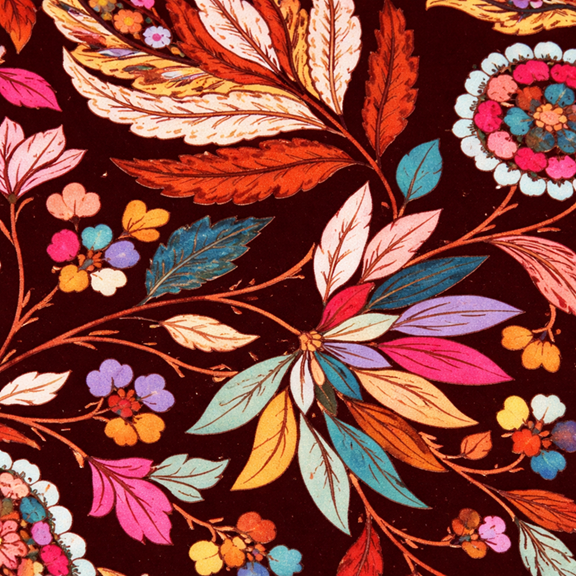
Kalamkari Weaving
Kalamkari Weaving Painted Heritage Hand-rendered motifs in natural dyes. Storytelling in thread.
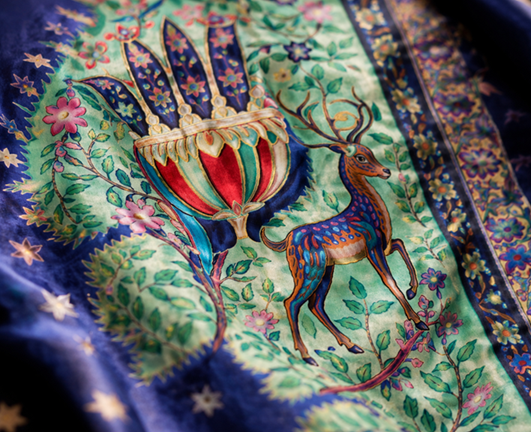
Papier-Mâché
Papier-Mâché Royal Ornament Persian floral arabesques, adapted into textile art.
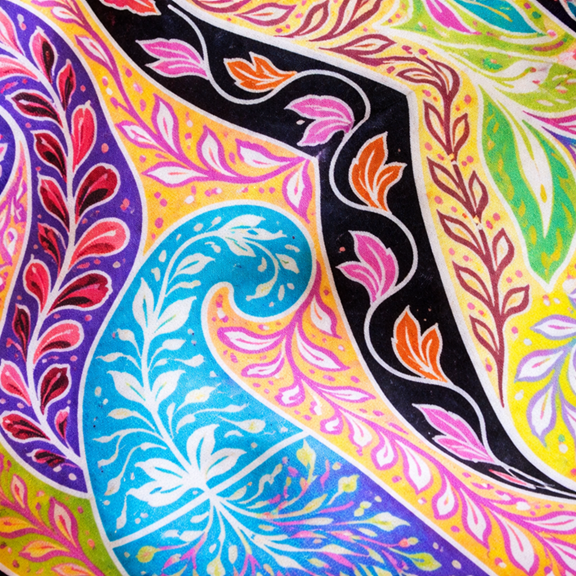
Sozni Weaving
Sozni Weaving Mirror Embroidery Delicate silk needlework, identical on both sides.

The Royal Journey

The Persian Influence
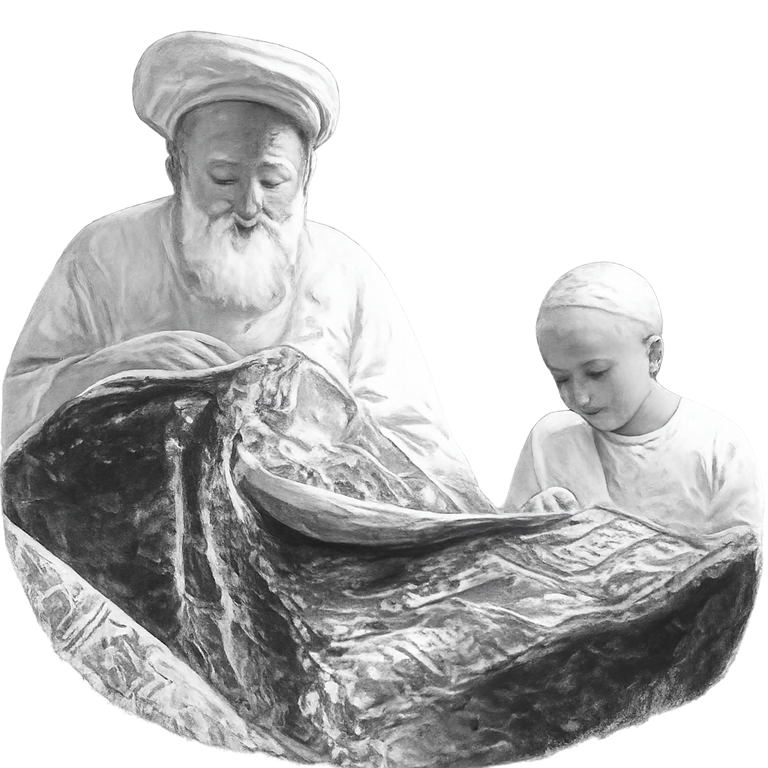
13th Century The Persian Influence

Mir Sayyid Ali Hamadani brings Persian weaving to Kashmir. Persian artistry merges with Himalayan pashm.

Mughal Elevation
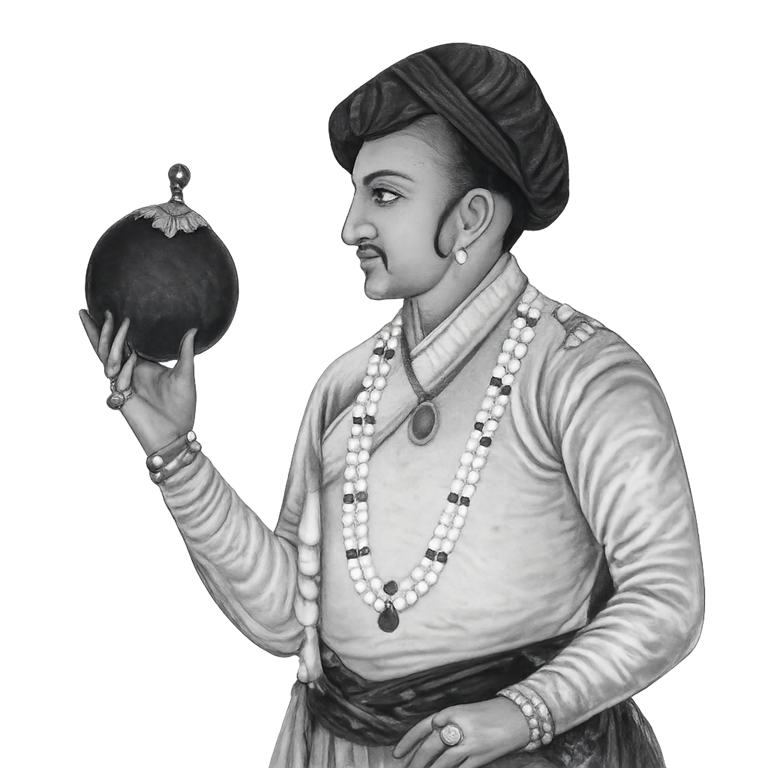
16th Century Mughal Elevation

Under Emperor Akbar, royal ateliers flourish. Kani weaving becomes court standard.

European Nobility
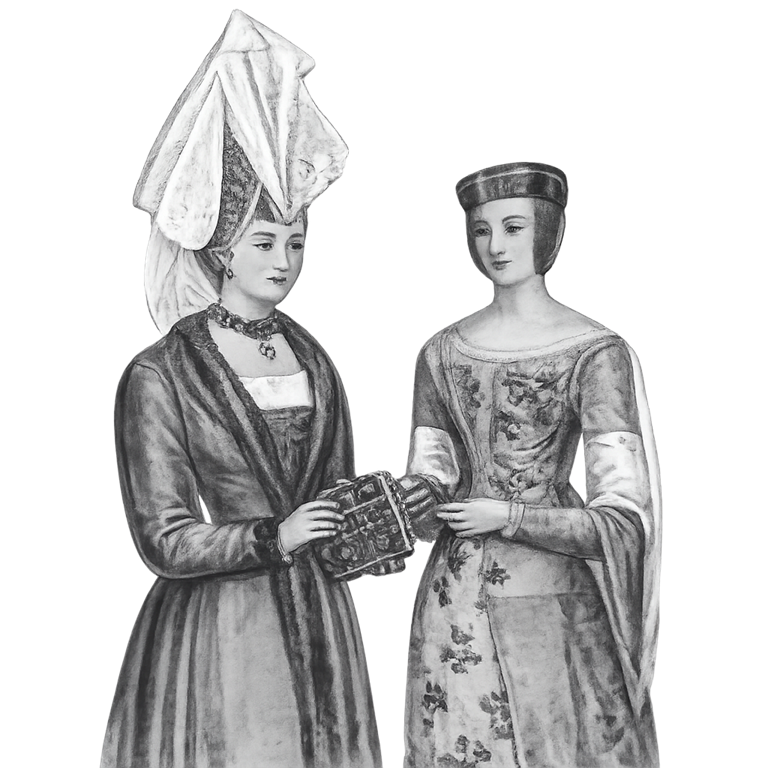
18th–19th Century European Nobility

Pashmina shawls reach Europe. Empress Joséphine and aristocracy embrace pashmina.

Royal Prestige
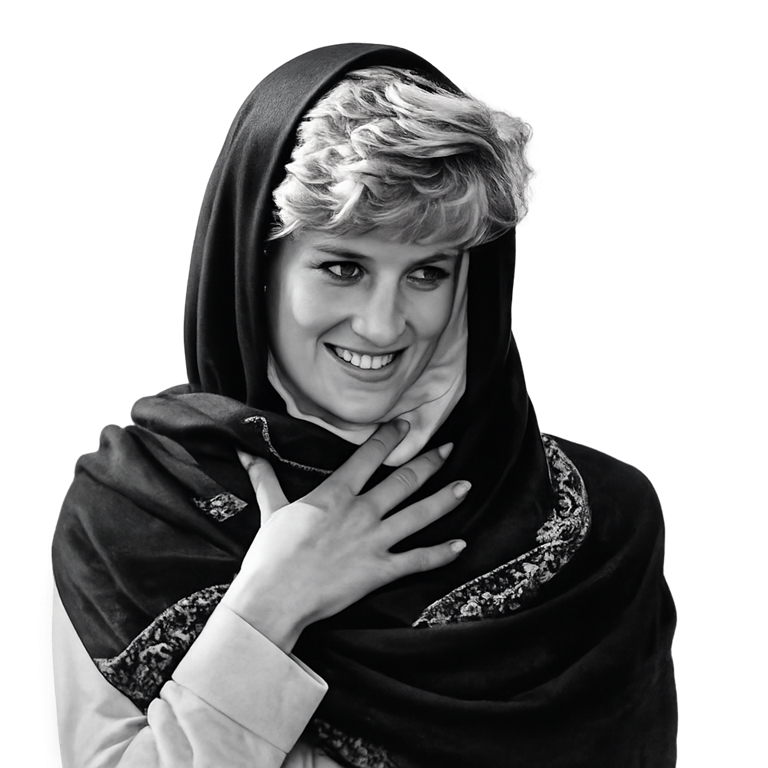
20th Century Royal Prestige

Worn by Queen Elizabeth II and Princess Diana. Gifted among global dignitaries.

The Parnosh Era
Today The Parnosh Era

Pure pashmina. Legacy, restored.

Parnosh Emblem

Each thread passes
through generations
of mastery.

Born from Persian opulence and Kashmiri mastery — every Parnosh shawl is not merely crafted, it is inherited. A living testament to seven centuries of artisanal devotion.